

Working with what remains: post-conflict repairs
Wars leave behind devastated cities, damaged heritage, and deeply scarred societies. In the face of such destruction, what approaches to reconstruction can reconcile heritage preservation, respect for local knowledge and skills, protection of ecosystems, and the rebuilding of social ties?

Un nouvel environnement de vie pour une Ukraine en pleine mutation
New Living Environment for a Changing Ukraine
Bringing together practitioners and researchers actively engaged in these issues, this discussion will explore both field experience and broader reflections on the contemporary challenges of repair. Going beyond the purely material dimension of reconstruction, it invites us to consider approaches that are attentive to memory, local communities, and the resources of each territory.
With: Howayda Al-Harithy (Beirut), Oleh Drozdov (Lviv), Alessandra Gola and AbdalRahman Kittana (The Yalla Project, Nablus).
Moderator: Elisabeth Essaïan, co-curator of the exhibition.
Simultaneous interpretation: French–English.
Howayda Al-Harithy is an architect and urban planner, Professor at the School of Architecture and Design (ArD) at the American University of Beirut (AUB), and co-founder of the Beirut Urban Lab. Her research focuses on urban heritage, its protection and its appropriation by local communities. Her work is grounded in UNESCO's Historic Urban Landscape (HUL) approach, introduced in 2011.
Lebanon's history has been marked by recurring cycles of war, disaster, and economic collapse, each leaving lasting scars on the country's urban fabric and social life. Drawing on the work of the Beirut Urban Lab, this presentation will explore people-centred approaches to reconstruction that prioritize the restoration of social relations, cultural identity, and community resilience.
Oleh Drozdov is a Ukrainian architect and urban planner. He founded Drozdov & Partners in 1997. Since 2017, he has also been co-founder, president, and faculty member of the Kharkiv School of Architecture (KhSA), which has been relocated to Lviv since 2022. Together with Fulco Treffers, he also co-founded Ro3kvit, an international urban coalition dedicated to thinking about Ukraine's reconstruction.
The overwhelming majority of Ukrainians live in large-scale housing estates inherited from the Soviet era and built between the 1960s and the 1980s. Severely damaged during the war, this housing stock no longer meets today's energy and climate challenges, nor the evolving aspirations of society. Drawing on the work carried out within Ro3kvit, this presentation will examine how these environments can be adapted to contemporary needs while promoting a more inclusive model of reconstruction.
The Yalla Project is a research-action and urban regeneration laboratory founded by two brothers from Nablus, historian Basel Kittana and architect AbdalRahman Kittana, together with the Italian architect Alessandra Gola. The initiative combines urban development projects with social enterprises in order to foster financial self-sufficiency in a context of ongoing conflict.
As urban planners and architects, we often think in terms of master plans. The methodology developed by the Yalla Project instead relies on action plans, which are better suited to conflict settings—and particularly to the Palestinian context—because they can be continuously adapted, revised, and reshaped. Drawing on the example of the revitalization of the historic centre of Nablus in the West Bank, this presentation will examine how meaningful interventions can be achieved with limited resources by building on local solidarity and community.
The screenings, lectures, and panel discussions organized by the Cité de l'architecture et du patrimoine in connection with the exhibition Heritage in Resistance are intended to encourage dialogue and a diversity of perspectives. The views expressed during these events are those of the speakers alone and should not be understood as reflecting the position of the Cité de l'architecture et du patrimoine or that of its partners.
Visitor information
-
Auditorium
7, avenue Albert de Mun 75116 Paris
Accès côté jardins
Métro Iéna ou Trocadéro
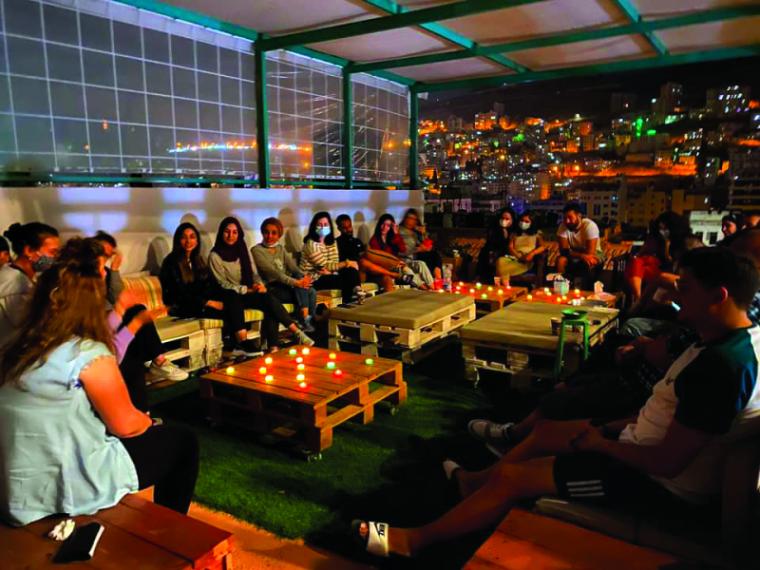
Vue extérieure d’un espace de convivialité, Naplouse
Exterior view of a social space, Nablus
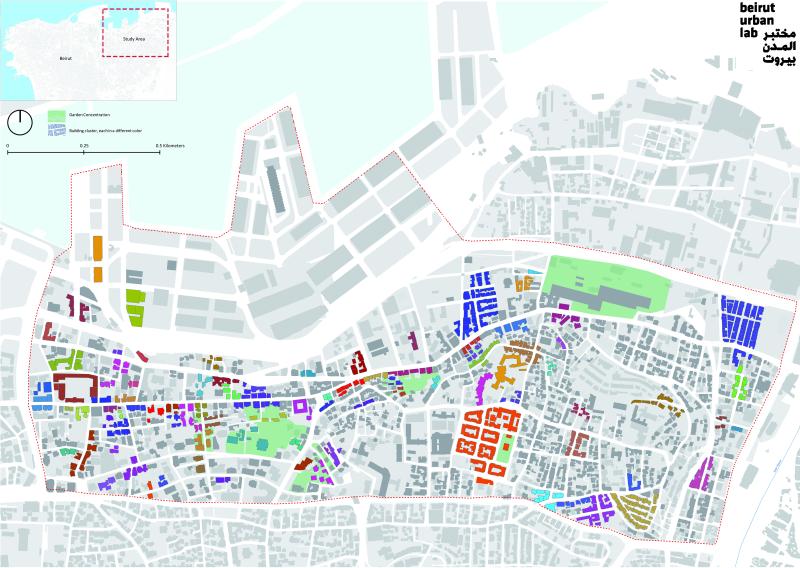
Cartographie des ensembles bâtis et des jardins dans les zones endommagées par l’explosion du port de Beyrouth le 4 août 2020
Mapping of built complexes and gardens in areas damaged by the explosion at the port of Beirut August 4, 2020 explosion
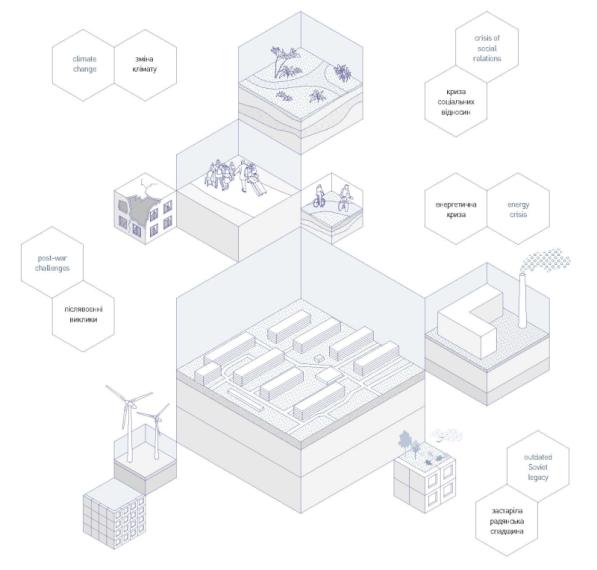
Un nouvel environnement de vie pour une Ukraine en pleine mutation
New Living Environment for a Changing Ukraine
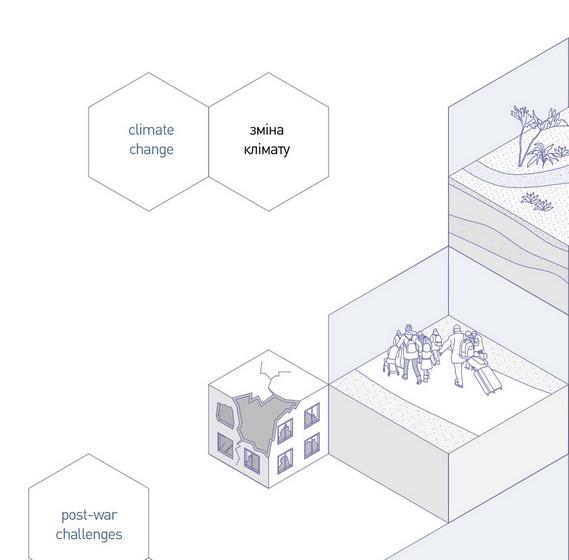
Un nouvel environnement de vie pour une Ukraine en pleine mutation
New Living Environment for a Changing Ukraine
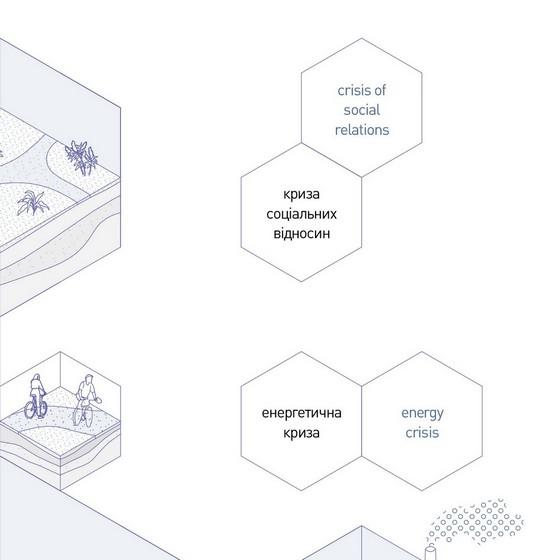
Un nouvel environnement de vie pour une Ukraine en pleine mutation
New Living Environment for a Changing Ukraine
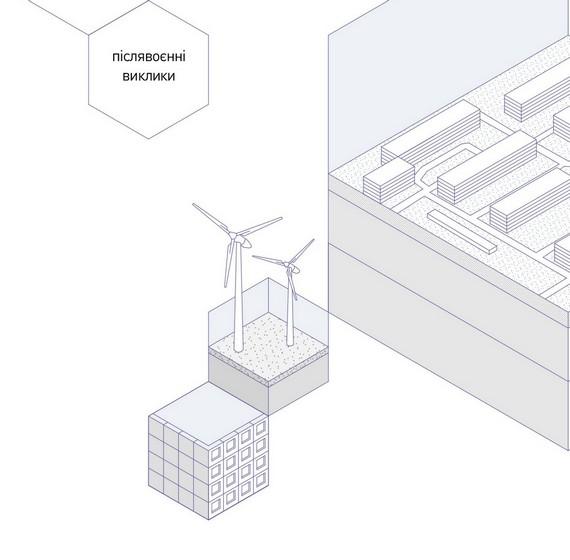
Un nouvel environnement de vie pour une Ukraine en pleine mutation
New Living Environment for a Changing Ukraine
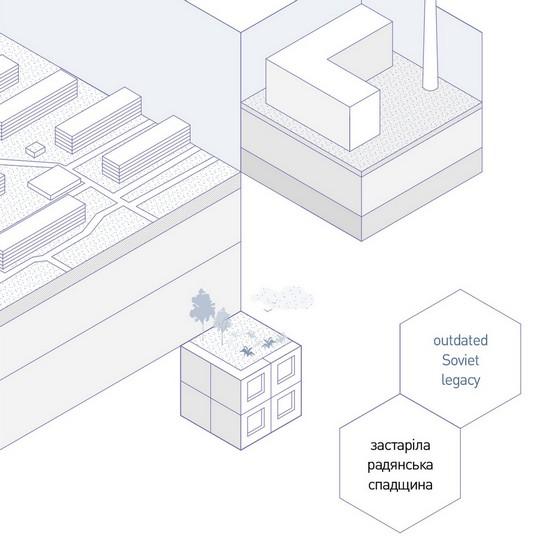
Un nouvel environnement de vie pour une Ukraine en pleine mutation
New Living Environment for a Changing Ukraine
En relation
![Aram Vruyr, Jurgis Baltrušaitis posant devant des khatchkars à Djoulfa dans le Nakhitchevan, 1928, tirage photographique, Paris, bibliothèque de l’INHA [Cote : Archives 190]](/sites/default/files/styles/fiche_evenement_desktop/public/images/2026-09/aram_vruyr_jurgis_baltrusaitis_-_carry_.webp?h=dafeb545&itok=sjl67WBg)

From geopolitical conflicts to schools of architecture
Wars, political crises and geopolitical upheavals are profoundly transforming schools of architecture. Whether closed, relocated or reinvented, they sometimes become places of resistance and experimentation. This conference explores how conflicts are transforming the teaching of architecture, its…
